

Whole Bean Coffee vs. Ground Coffee: Why Whole Bean is Best for Espresso Brewing
Learn why whole bean coffee delivers superior freshness and flavor for espresso, plus discover how light, medium, and dark roasts create different extraction profiles

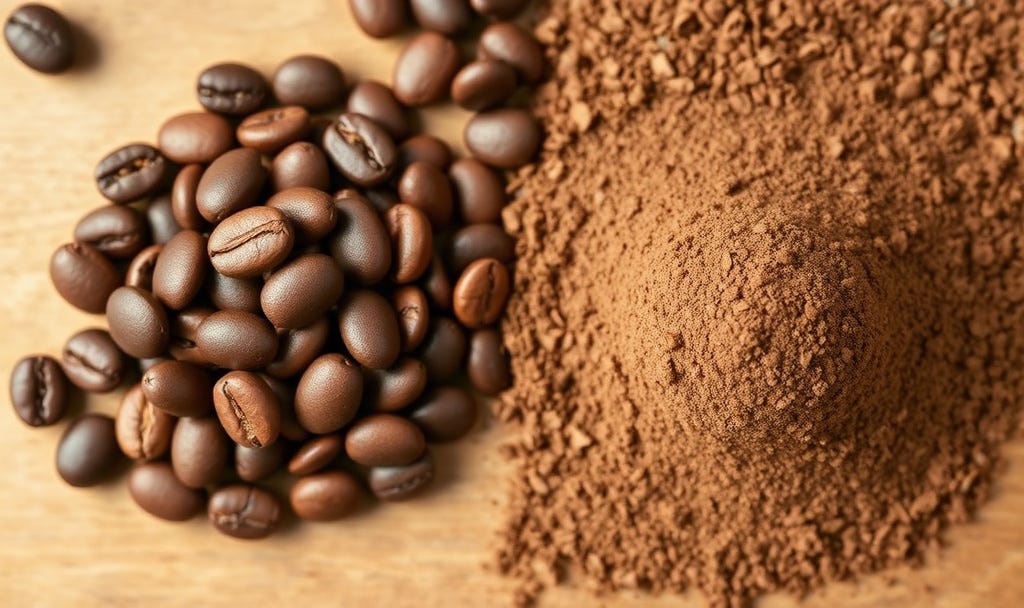
The ideal first step in brewing great espresso at home is using whole beans. Pre-ground coffee may seem convenient, but it robs you of the freshness, flavor complexity, and customization control that separates espresso from exceptional shots. For serious home baristas, whole bean coffee isn’t optional; it’s essential.
The Freshness Crisis: Why Pre-Ground Coffee Loses the Race
Grinding coffee starts an unseen clock. Grinding exposes more surface to oxygen, accelerating oxidation and volatile aromatic release. A bag of pre-ground coffee reaches its peak freshness in under 10 days and then declines thereafter. In contrast, whole bean coffee maintains peak flavor for 7–10 days after roasting, then fades slowly over the following weeks, maintaining usable freshness for 20+ days past peak.
The distinction is stark when making espresso. The coffee’s essential oils and aromatic compounds responsible for crema formation and flavor complexity dissipate rapidly once ground. Espresso made with pre-ground beans lacks crema, leading to a dull shot. Whole bean coffee, ground moments before brewing, locks in those precious oils and compounds for optimal extraction.
Did you know? Ground coffee loses roughly 85% of its aromatic freshness within 15 minutes of grinding. Therefore, specialty cafés grind to order.
Customizing Grind Size: The Espresso Game-Changer
Pre-ground coffee removes the ability to make perfect espresso, which needs precision. Different espresso machines, basket sizes, and bean freshness levels require subtle grind adjustments. A grind too coarse leads to under-extraction and sour, thin-bodied shots. Too fine causes over-extraction, bitterness, and a choked machine.
A quality burr grinder and whole beans allow you to control everything. As your coffee ages from fresh-roasted to peak flavor to past-peak, the grind size may need slight adjustment to maintain optimal extraction time, typically 25–30 seconds for espresso. Pre-ground coffee locks you into one fixed grind size with no flexibility, making it nearly impossible to dial in perfect shots across the coffee’s lifespan.
Investing in a burr grinder, whether manual for ritual and affordability or electric for convenience, is one of the high-impact upgrades a home espresso enthusiast can make.
Understanding Roast Levels for Espresso Excellence
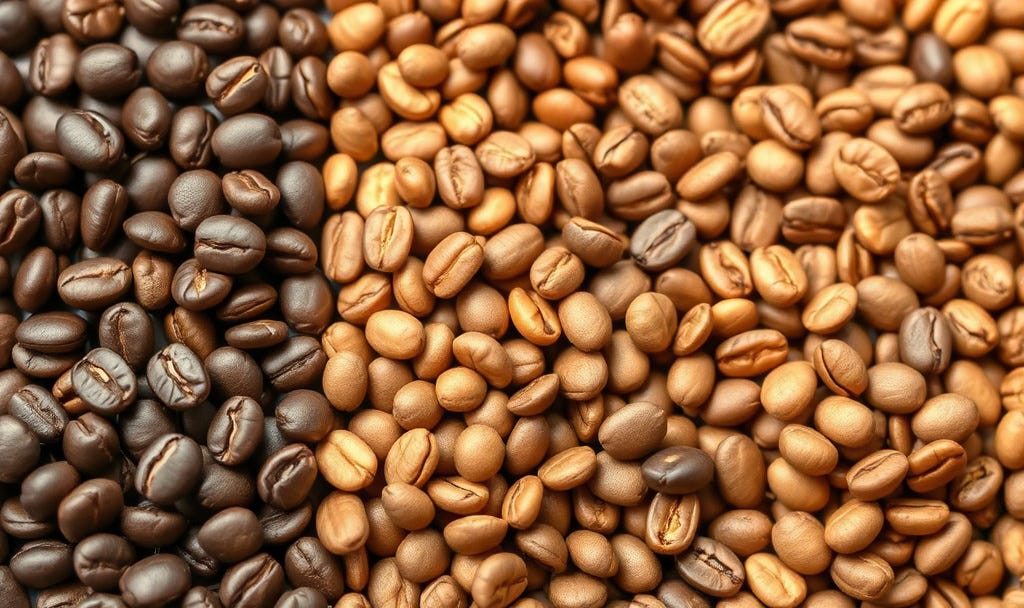
Espresso extraction is determined by the roast level. Different roasts have different solubility levels, oil content, and acidity profiles, all critical for espresso.
Light Roast: You'll see light brown beans with hardly any surface oil. Roasted to 355–405 °F, they preserve the origin’s natural flavors with bright, fruity, or floral notes. However, light roasts are challenging for espresso. Their lower solubility and reduced oil content make extraction difficult and less forgiving, often resulting in sour or under-extracted shots even for experienced baristas. Light roasts work better in brewing methods that highlight subtle complexity, such as pour-over.
Medium Roast: Medium-brown beans, roasted at 405–425 °F, balance the bean's origin and roast flavor. They offer moderate acidity with balanced sweetness, caramel, and chocolate notes. Compared to light roasts, medium roasts dissolve better, making them good for espresso while also keeping some complex flavors. Espresso roasters favor medium profiles for their ability to maximize extraction in the narrow 25–45-second window, yielding depth and complexity.
Dark Roast coffee: Dark brown to nearly black beans roasted over 425 °F (ca. 218 °C) create intense roasted, smoky, and chocolate flavors with little acidity. Critically for espresso, dark roasts develop high oil content up to 2–2.5% by weight, which contributes directly to crema formation. Their increased solubility and porous structure make extraction fast and forgiving, ideal for home espresso makers learning to dial in shots. The full body and bold flavors of dark roasts stand up beautifully to milk-based espresso drinks like lattes and cappuccinos.
Espresso traditionalists favor dark roasts for their crema-producing oils and full body, but modern specialty roasters now offer medium roasts as the sweet spot for balanced espresso extraction.
Creating A Winning Workflow
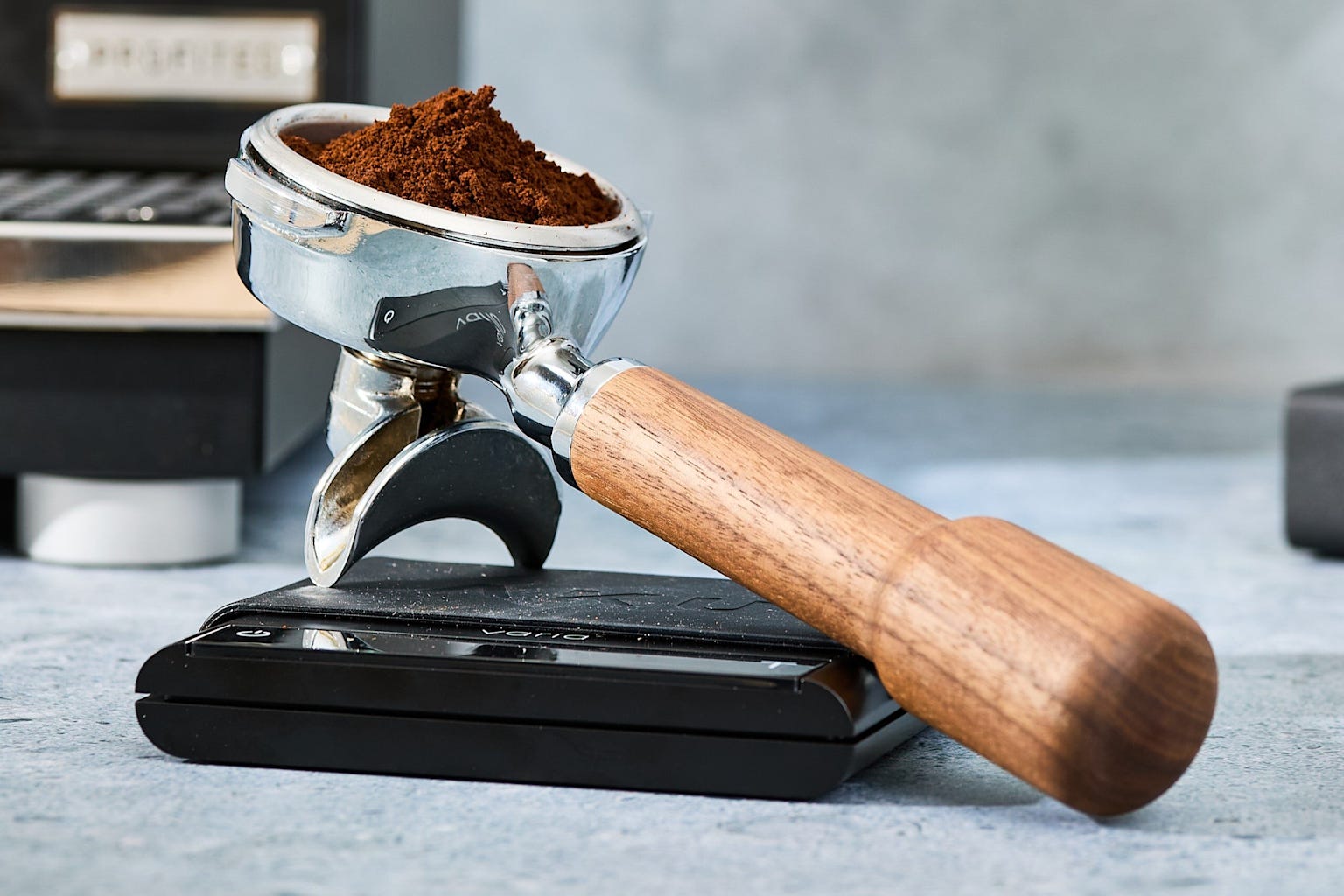
Want an amazing espresso? Buy fresh beans, get a good grinder, and grind your beans right before brewing. Starting with a medium or dark roast simplifies dialing in and improves your odds of success. As your skills develop, experiment with lighter roasts to achieve more complex and nuanced shots.
Using pre-ground coffee saves time, but whole bean coffee provides superior shots with better flavor. For espresso lovers, that trade-off is non-negotiable.
What roast level are you currently using for espresso, and have you noticed a difference when switching to whole beans?
Do you grind your beans fresh each morning, or do you prep a larger batch in advance? And have you tested how long pre-ground stays fresh in your machine?
Warmly,
Jim
The Home Barista’s Quill